
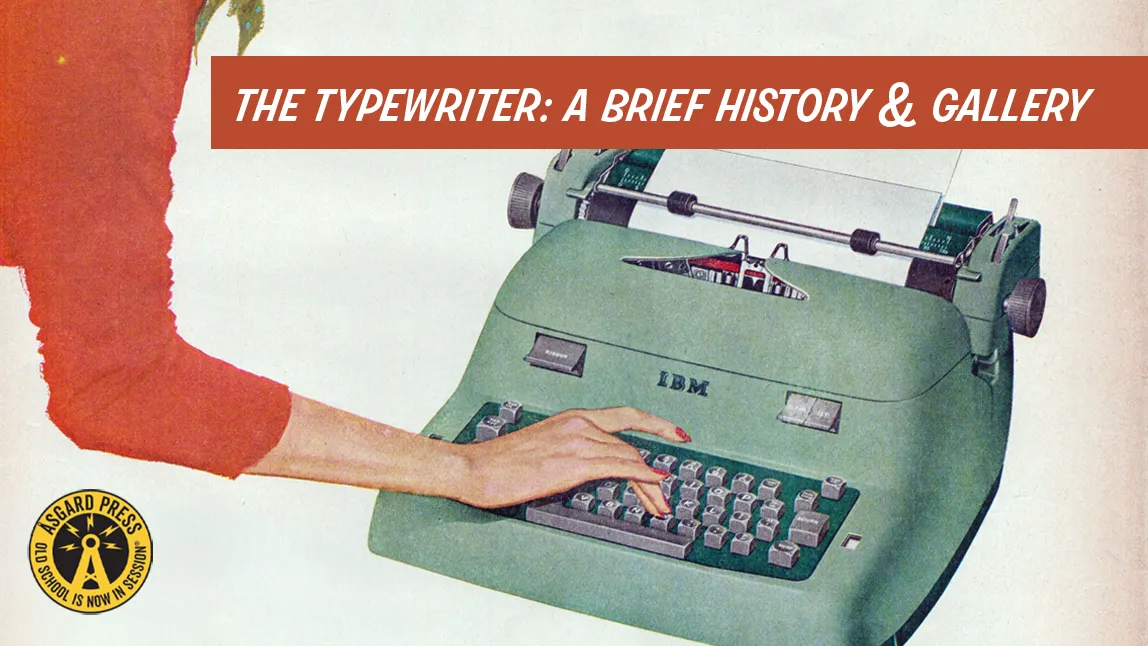
At the end of the 19th century, the business world was revolutionized by the invention of a small machine: the typewriter. This little mechanical marvel used a series of “typebars” made of raised metal stamps of each letter of the alphabet that struck the paper through an inked ribbon, leaving behind the inked imprint of words. Correspondence, transcripts, documents, forms, and other communications on paper once took hours by hand, hampered even further by the need to frequently refill pens with ink. Typewritten documents, however, could be generated quickly and often in duplicate using carbon paper, allowing typing on two sheets of paper at once. The time saving created by the typewriter created growth across many other areas of business.
The Origins of the Typewriter
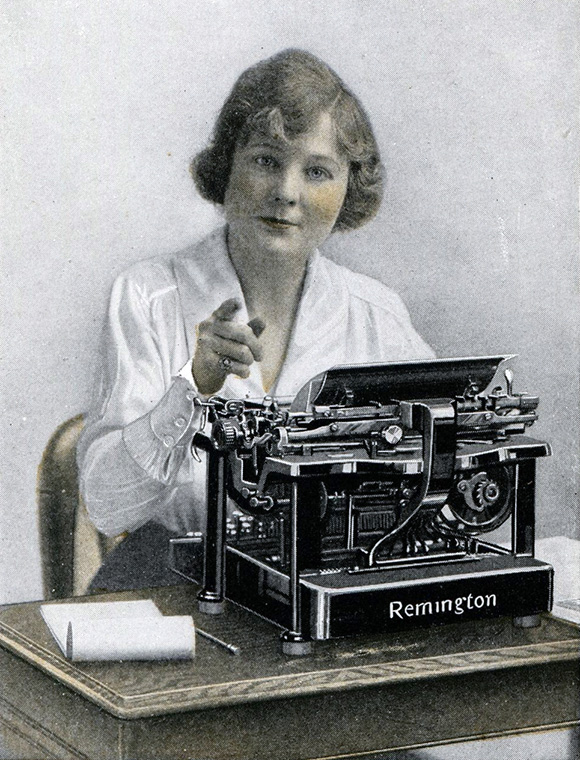
The concept of the typewriter, or rather the idea of a machine to both speed up documentation while simultaneously making it more uniform and easier to read, was not created by a single person or company, but by the amalgamation of many different ideas by numerous people over time. As early as the 1500s, printmakers sought ways to mechanize text in their work, and in the early 1800s a number of typewriter-like devices were patented to help blind people write. By the mid-1800s, inventors were working in earnest to create machines that could take down information at a speed that could keep up with the new, fast-paced business world that emerged following the first industrial revolution.
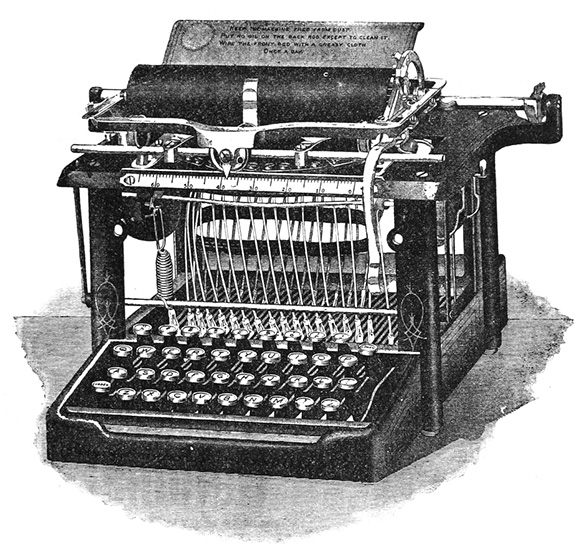
The first typewriter to be a commercial success was the Sholes and Glidden Type-Writer, patented in 1868, the machine that coined the word “typewriter.” Firearm and sewing machine manufacturer Remington entered the market after the end of the Civil War reduced their gun orders, producing Sholes and Glidden Type-Writers under an agreement with the patent holders. Remington’s machines introduced the “QWERTY” keyboard arrangement of letters, originally organized to prevent the tangling of typebars when typing at high speed, a design that has persisted to this day, seen on all English-language computer keyboards.
How Typing Changed Lives
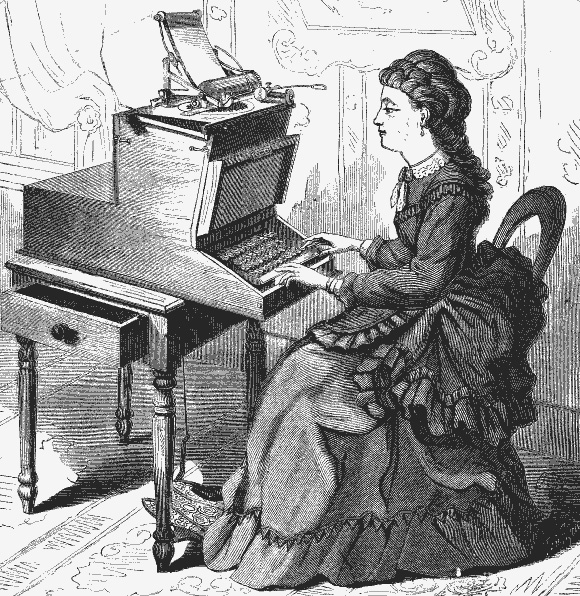
The mainstream adoption of typewriters in business settings opened doors for women entering the workforce. Typists earned a reasonable wage in a respectable setting, creating vital income for independent female workers. Writers and journalists increased their output using portable typewriters, and students wrote academic papers that were easy for professors to read. For nearly 100 years, typewriter technology remained largely unchanged until electric versions, word processors, and ultimately computers re-revolutionized how we create, duplicate, and exchange information.
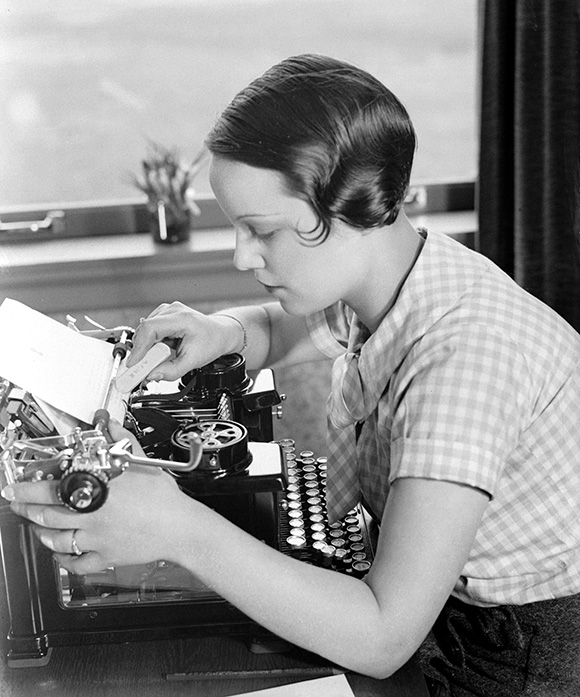
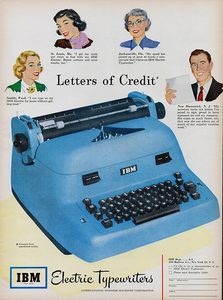
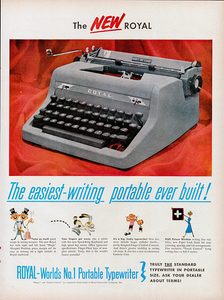
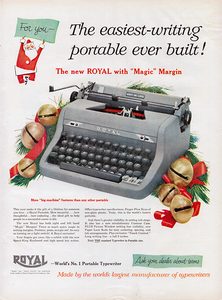
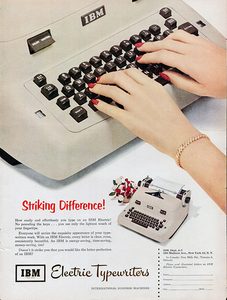
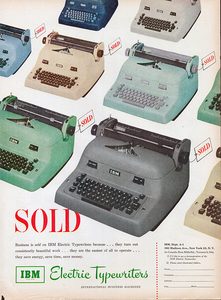
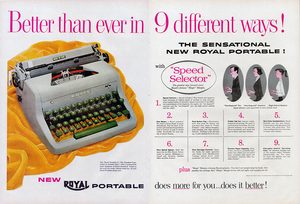
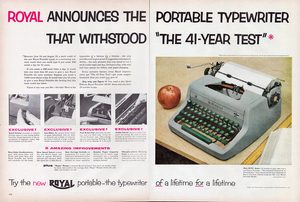
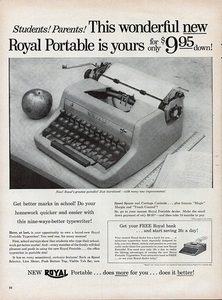
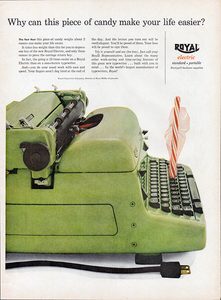
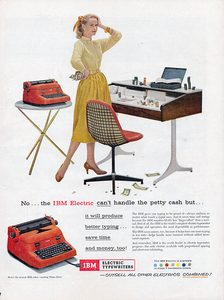
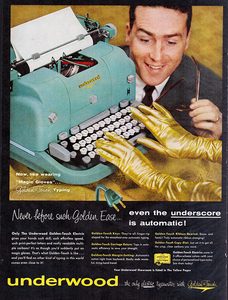
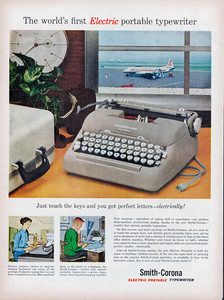
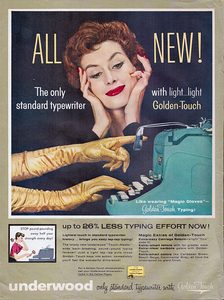
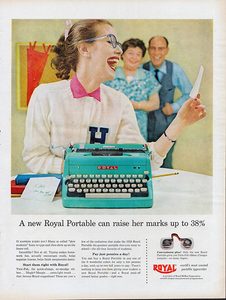
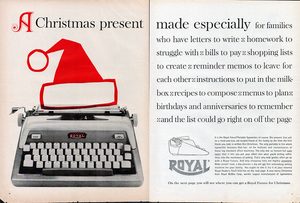
Typewriters became so popular that they were often advertised to homeowners as an essential domestic tool, as a gift for college-bound children, and to women who had input into purchasing for their employers. We’ve curated a gallery of typewriter ads from the 1940s and 1950s highlighting this pivotal invention that has been vital for business and the arts. Enjoy browsing these images from a bygone era, and maybe they’ll stir up some memories, too.
A Gallery of Typewriter Ads (1940s-1950s)
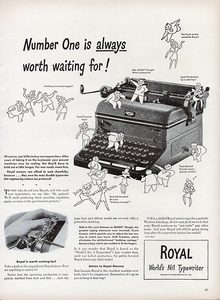
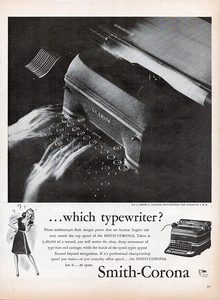
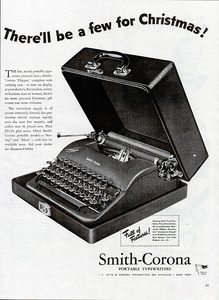
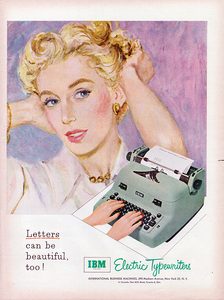
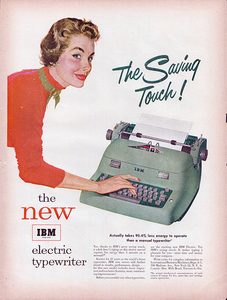
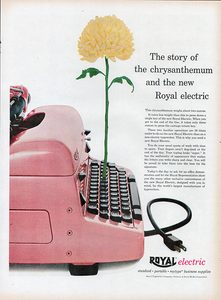
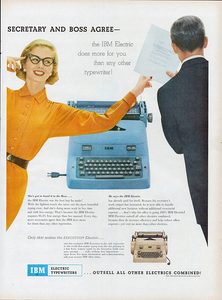
Check out our Vintage Typewriters Folded Gift Wrap (Pack of 4 Sheets) and our Vintage Typewriters Collectible Sticker Set (4 Sheets of Die-Cut Designs) to see even more nostalgic images of old typewriters!