
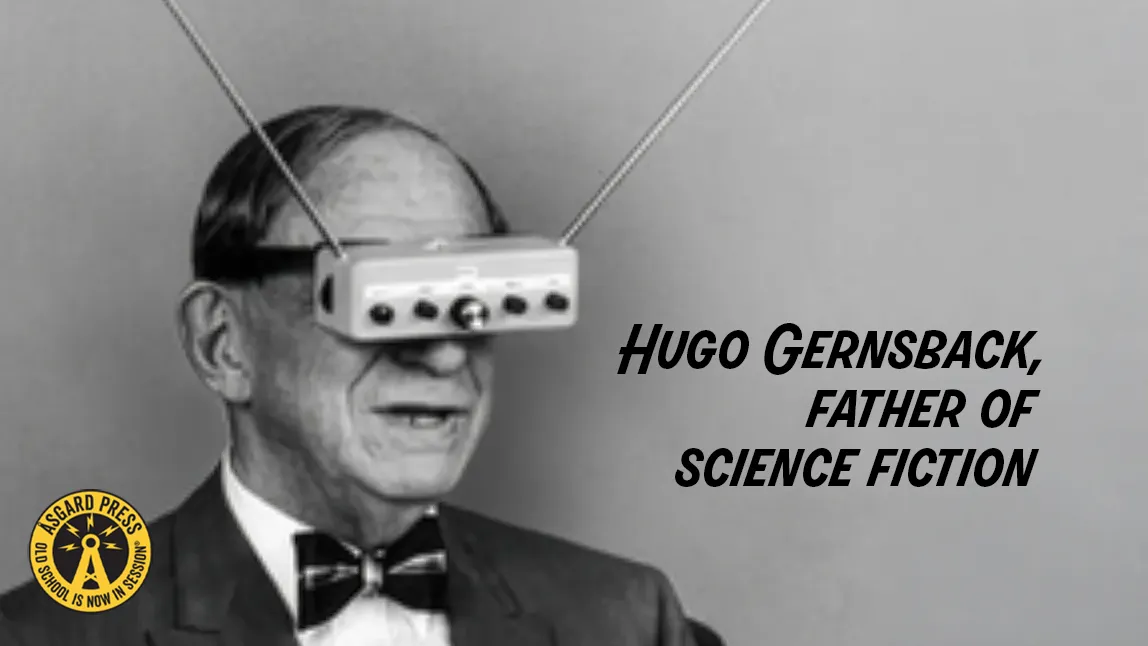
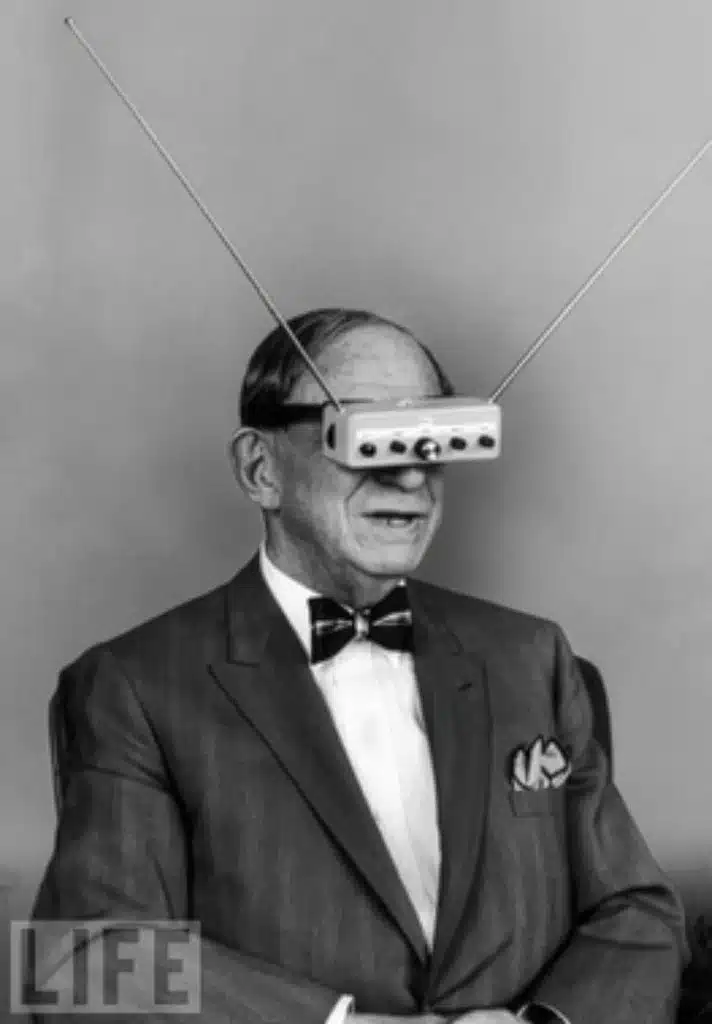
Inventor, author, publisher, and the acclaimed “Father of Science Fiction,” Hugo Gernsback was a man of many talents. He was a significant figure in both radio and electronics and was a leading pioneer in the establishment of science fiction as an independent literary form. Though certainly a controversial figure in his day, Gernsback’s legacy is one that is undeniable in the present day. Join us as we dive into the fascinating life and career of the acclaimed polymath Hugo Gernsback.
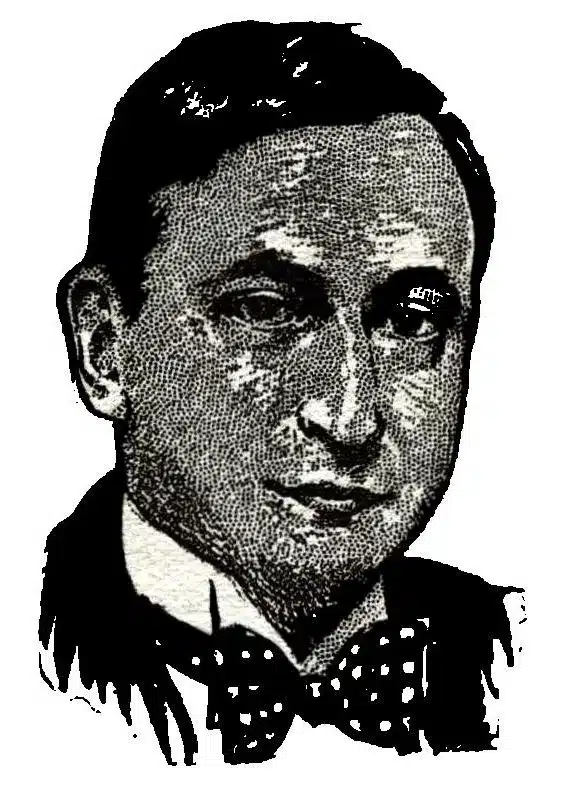
Early Life and Career of Hugo Gernsback
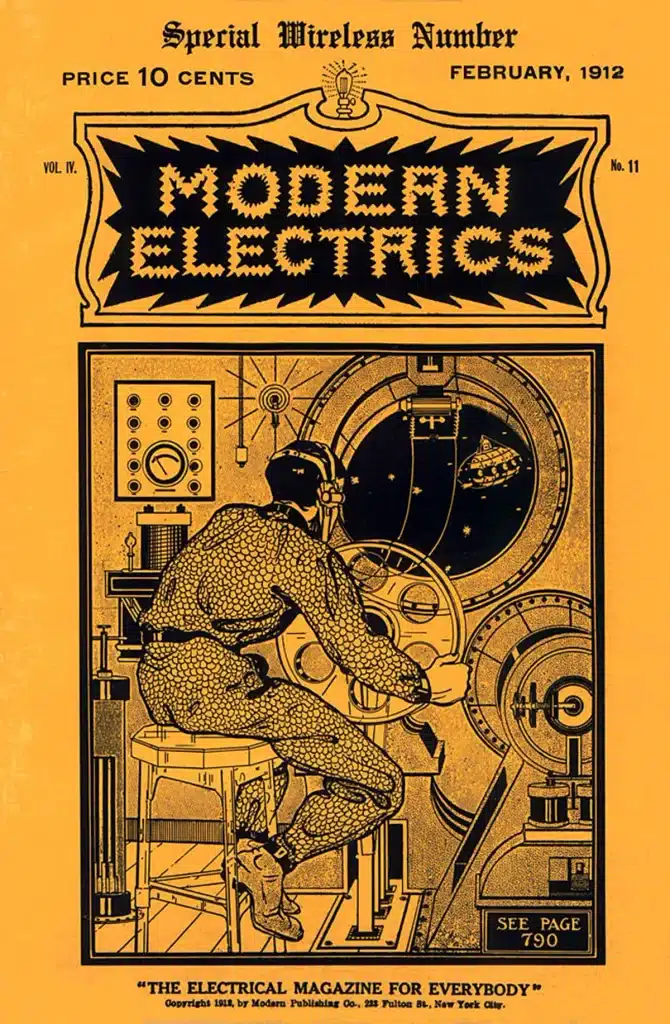
Hugo Gernsback was born in Luxembourg on August 16, 1884. He received a technical education in both Luxembourg and Germany before emigrating to New York in 1904, eventually becoming a naturalized citizen of the United States. Here, Gernsback became an entrepreneur in the electronics industry, manufacturing automobile batteries and later importing specialized electronic and radio parts from Europe. He designed and sold the Telimco Wireless, the first commercially available home radio set, as well as the basis for the first working walkie-talkie. In 1908, Gernsback founded Modern Electrics, the world’s first magazine all about radio and electronics. It was primarily a catalogue, but also contained various articles, story plotlines, and features.
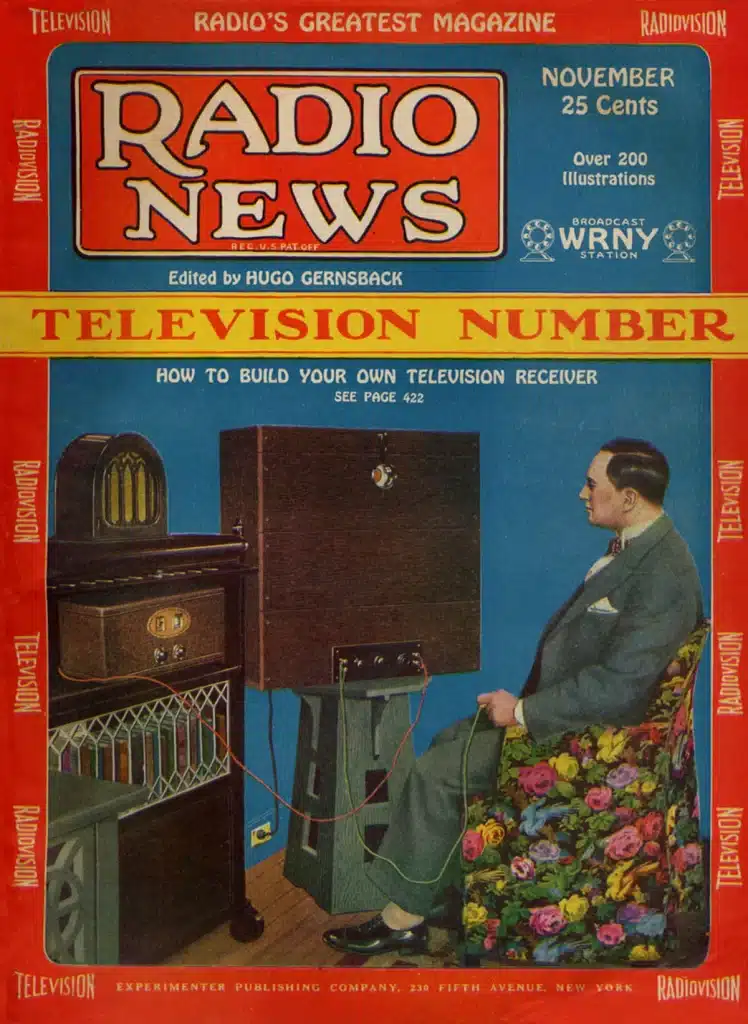
Gernsback was a huge promoter of radio, believing it would help foster communications between people both within the United States and globally. In 1909, he founded the Wireless Association of America, gaining thousands of members within a year. Gernsback published The Electrical Experimenter, the successor to Modern Electrics, in 1913, and Radio News in 1919, a magazine for amateur radio enthusiasts, and brought his magazines together as Experimenter Publishing in 1915 . In 1925, Gernsback founded WRNY, a radio station created to promote his radio and science magazines. It was also one of the first radio stations to make regularly scheduled experimental TV broadcasts. His novels such as Radio for All (1922) also promoted radio to the general public.
How Hugo Gernsback became the Father of Science Fiction
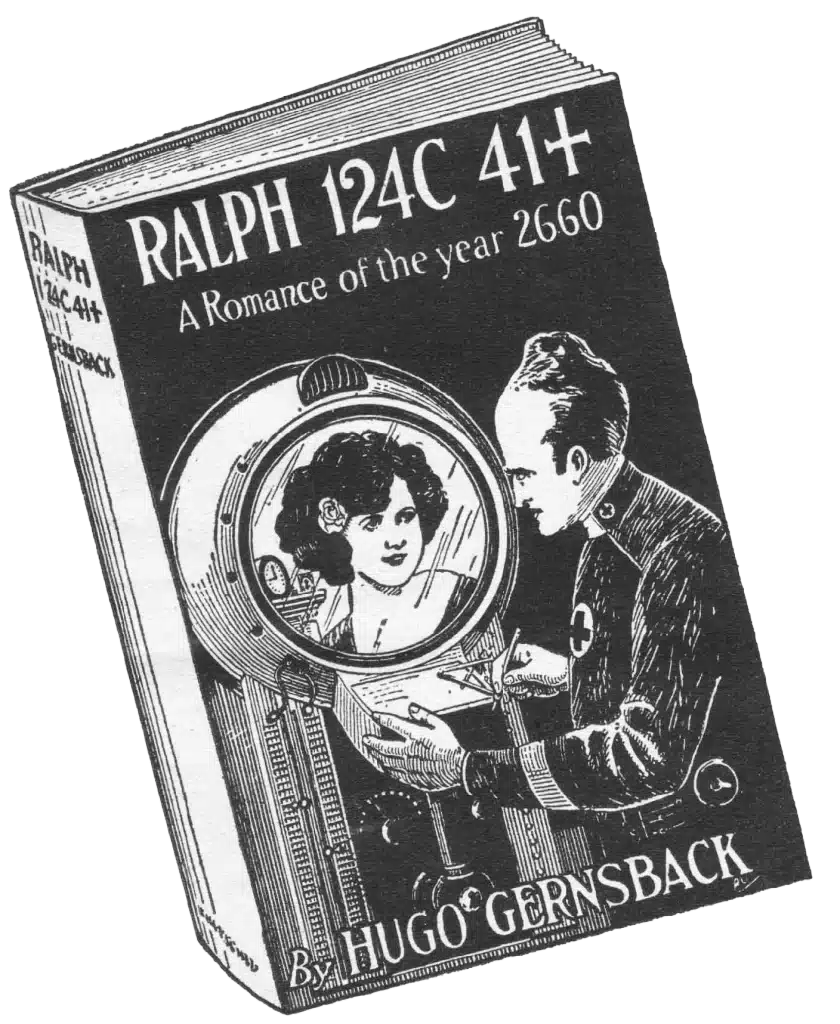
Gernsback dabbled in the science fiction genre as early as the creation of his magazines, where he included science fiction stories in addition to his journalism and products. It should be stated that the term “science fiction” itself did not exist at this time, instead Gernsback used the term scientifiction (fiction that is scientific), which he coined in 1916. The most notable of these stories was Ralph 124C 41+, a classic tale featuring the hero rescuing the heroine from the clutches of evil, but this time in space! The novel has been highly influential, containing many tropes, ideas, concepts, and story beats found in future science fiction stories. It even accurately predicted technology we have today, such as synthetic foods, satellites, tape recorders, channel surfing, practical use of solar energy, and sound movies. Despite its massive influence, however, many critics have had little praise for the writing and story, with science fiction writers Brian Aldiss and Lester Del Rey calling it “a tawdry illiterate tale” and “simply dreadful” respectively.
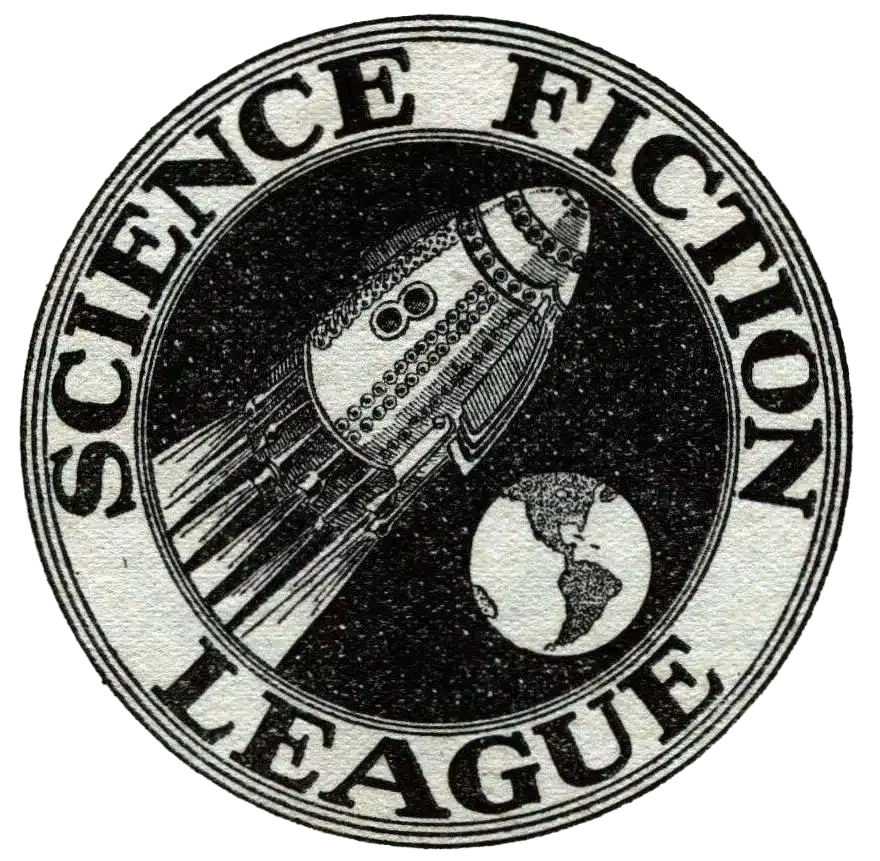
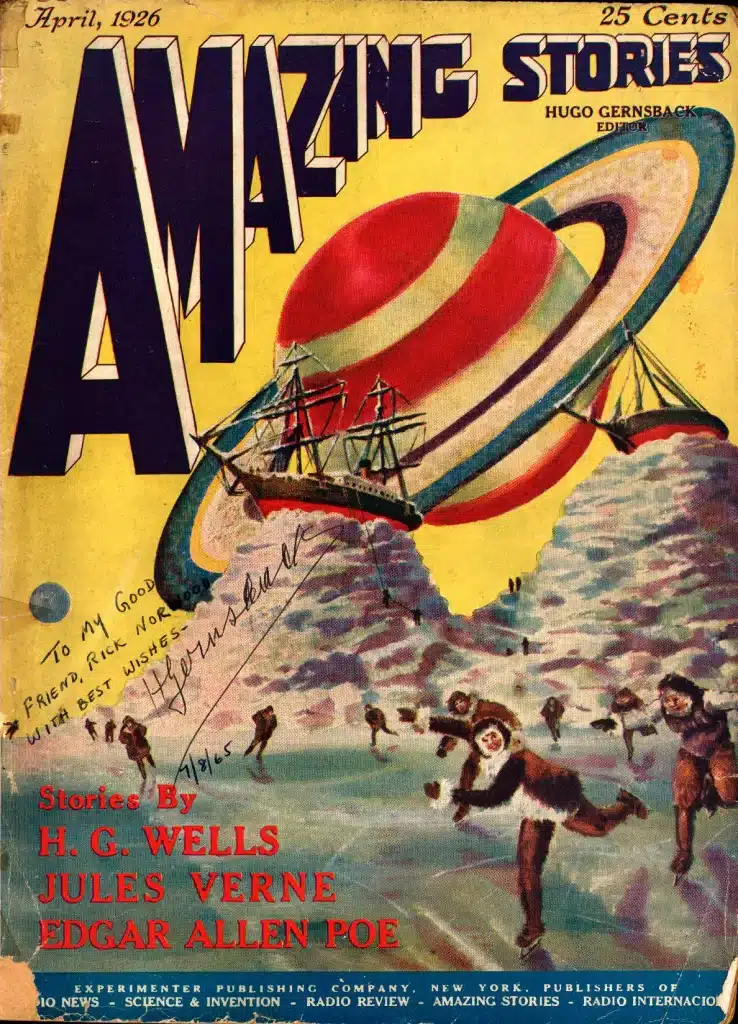
In 1926, however, everything changed. In April of that year, Gernsback began publishing Amazing Stories, the first magazine dedicated entirely to the genre of science fiction (still called scientifiction). At the start, the stories were mostly reprints of earlier works, specifically those by writers Jules Verne and H.G. Wells, but soon shifted to full-on original works. Gernsback valued scientific accuracy in science fiction stories, often encouraging the writers he employed to elaborate upon scientific plot points and details, comment on any sort of scientific impossibilities, and encouraged readers to pinpoint scientific errors by offering cash rewards. Gernsback even laid the groundwork for the development of the science fiction fandom by forming the Science Fiction League in 1934. It gave the average enjoyer of science fiction the opportunity to organize and find like-minded individuals, and maybe a new lifelong friend. Gernsback’s magazines also inspired many published letters from readers, often leading to contact between interested parties, helping to shape the fandom even more.
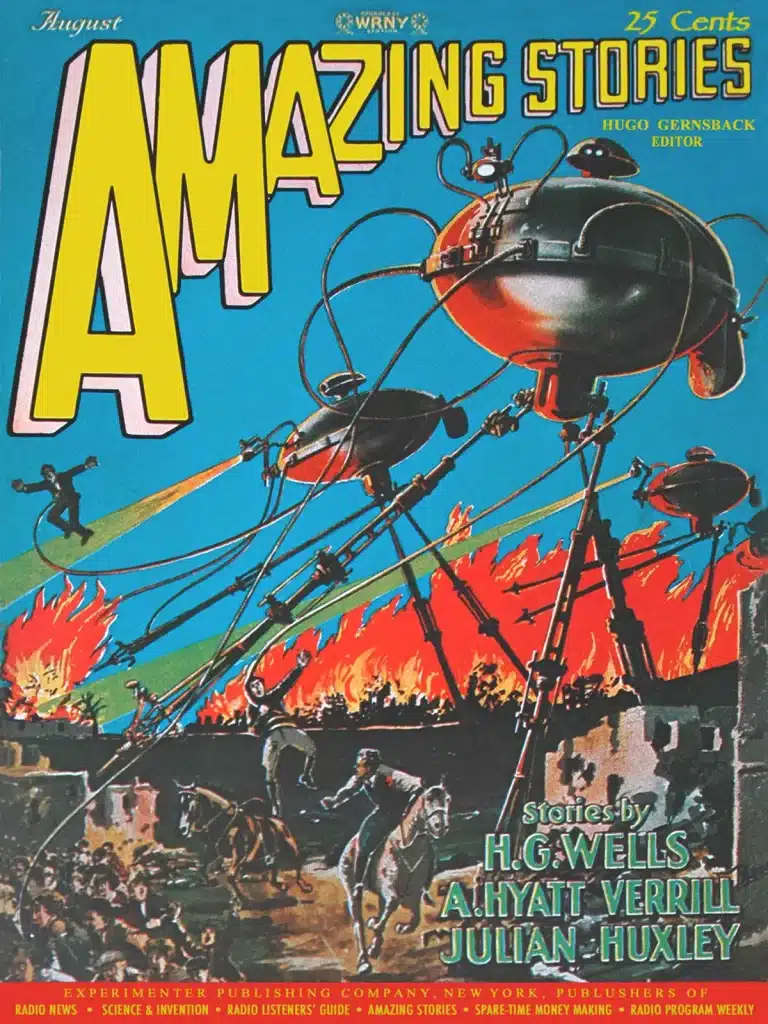
In 1929, Gernsback lost ownership of Amazing Stories due to a bankruptcy lawsuit. He later founded Science Wonder Stories and Air Wonder Stories, eventually them combining to form Wonder Stories during the Great Depression, which Gernsback continued to publish until 1936. In 1952, Gernsback created yet another magazine called Science-Fiction Plus. Gernsback passed away in 1967 in New York City.
Controversy
Perhaps in an unsurprising twist for successful businessmen, Gernsback had his fair share of controversy. While Gernsback loved employing writers for his magazines, he was not particularly keen on paying them. He offered payment as low as a quarter of a cent per word and was all too often extremely slow to pay people at all. This cost him many talented and high-profile writers during his career. Author H.P. Lovecraft himself straight-up referred to Gernsback as “Hugo the Rat.” With regards to the aforementioned bankruptcy lawsuit, it has been speculated that the bankruptcy was a Gernsback scheme, or rather an excuse, to jump ship and start another company, though that theory is ultimately unconfirmed.
Legacy
Despite all, Gernsback’s legacy is one that is felt and celebrated in the present day. He made significant contributions to radio, TV broadcasting, and electronics. The Hugo Awards, or Hugos, are the annual achievement rewards for the best science fiction or fantasy works given at the World Science Fiction Convention, named after Gernsback of course and still run to this day. It was in 1960 where Gernsback was given the acclaimed title “Father of Science Fiction” after receiving a special Hugo award. He was inducted into the Science Fiction Hall of Fame in 1996, a life achievement honor. He was even praised in his original homeland of Luxembourg, where was named “Officer of the Oaken Crown” by Grand Duchess Charlotte. Perhaps most impressively, Amazing Stories, with some interruptions, is still published today, having gone through many hands and publishers and a shift from paper to online. Though often at many times struggling financially, the magazine has continued to publish science fiction stories for just about a century now. All in all, Gernsback inspired many people across many fields, and his enthusiasm for his work will always be able to be seen through his many magazines.
This article was contributed by Max McKamey, BA History, West Chester University.
Interested in diving into more science fiction? Check out our 2027 Vintage Sci-Fi Deluxe Calendar, featuring 12 monthly images of pulp sci-fi magazine covers, perforated for easy removal for display in standard size frames. Each image is accompanied by extensive commentary discussing the magazines, publishers, authors, and artists of the era.